

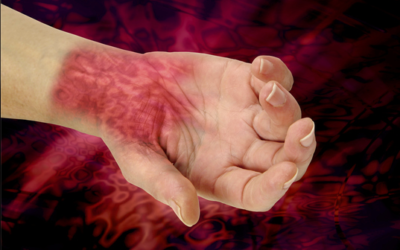
If you have repetitive strain injury (RSI) this typically causes symptoms that are felt in the elbows, forearms, wrists, hands and fingers. Symptoms can include pains and aches, numbness, tingling, loss of grip strength and stiffness.
RSI is a very common condition and is often associated with prolonged desk work where you are hunched over a device screen for many hours. This type of work tends to overuse the forearms, wrists, hands and digits but underuse the rest of the body which stays largely still.
However sometimes people can develop RSI for no apparent reason. One example is in pregnancy where the changing hormones can cause your RSI to go away or for some women they cause RSI that lasts only for as long as the pregnancy.
One other example is people who either have a respiratory condition such as asthma or CPOD or they have recently had a respiratory illness such as flu, Covid or bronchitis. At first this may seem totally unconnected to RSI symptoms but there are simple anatomical reasons to make this link.
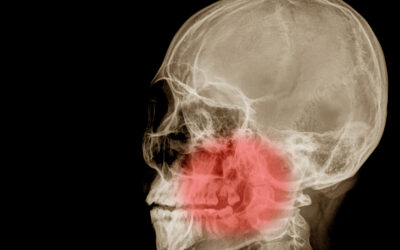
When you have a respiratory illness or condition you are often short of breath and may cough a lot. Both of these respiratory symptoms mean that you use the muscles particularly at the top of your chest to help with breathing or coughing. This is known as shallow breathing where you are only breathing into the top of your lungs. The muscles are collectively known as the accessory muscles of breathing and they include the scalenes and sternocleidomastoid in your neck, the pectoralis muscles in your chest, the trapezius muscle that forms the top of your shoulders, and the intercostal muscles which are small muscles between your ribs.
With the exception of the intercostals breathing is not the primary job of all of the other muscles. So being recruited to help with breathing is hard work for them and they can become tight, sometimes even causing muscle strains.
What most of these muscles also have in common is that the bundle of nerves for the arms, the brachial plexus, travels through or next to them. The brachial (arm) plexus (bundle) branches off the spinal cord in the neck and travels out through the scalene muscles. It then travels under the collarbone and the pectoralis muscles across your chest, through your armpit and into your arm where it separates into individual nerves. Nerves should always be able to slide and glide freely in their fascial sheaths but if they are compressed at any point in their journey they can become stuck and irritated. This is also known as nerve impingement.
So if you have shortness of breath and coughing this will tighten all of the accessory muscles in your neck and chest and result in compression of the brachial plexus. This in turn can cause RSI symptoms downstream in your arms and hands.
One way to help alleviate some of these symptoms and also reduce tightness in your neck and chest is through simple myofascial self-help exercises. These help to undo fascial restrictions that will have formed and enable muscles to relax. You can try some of these exercises in the video link below.
If you are in the Edinburgh area and would like some myofascial release treatment to help why not get in touch with us?

0 Comments