
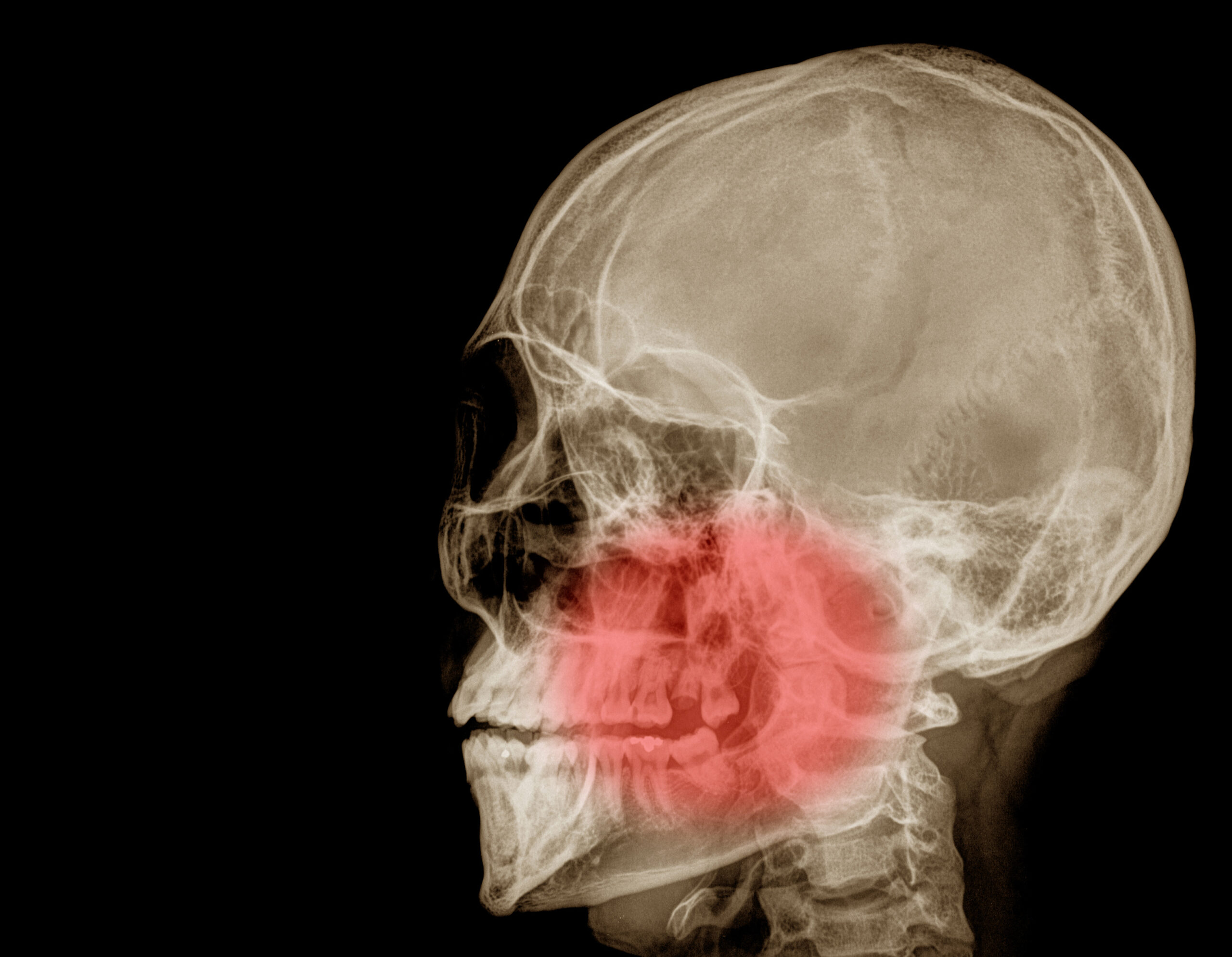
In my clinic I see a high proportion of clients who have TMJ disorder. TMJ stands for the temporomandibular (or jaw) joint and the acronym is often used as a shorthand descriptor for the condition, along with TMD (temporomandibular joint dysfunction).
TMJ can be predominantly pain felt in the jaw, teeth or face, and can also include restricted opening and closing of the mouth, popping and clicking, and difficulty chewing. Some people also report associated symptoms such as pain in the neck and shoulders, headaches, ear pain, blocked ears, and tinnitus or vertigo.
Not everyone has all of these symptoms and neither are they permanent as their symptoms can fluctuate depending on circumstances.
The causes of TMJ are as varied as the symptoms. Often TMJ can develop following extensive dental work where the mouth has been held open for prolonged periods, or when there are changes to the bite due to braces, extractions or implants. In these cases the dentist can provide a bite guard or night splint which helps to protect the teeth especially when you are asleep.
However TMJ can also be due to stress and many of my clients report that their TMJ developed or got worse following a particularly stressful period. So how can stress lead to TMJ?
Stress is the body’s way of dealing with potentially harmful situations. For example, any injury or illness can trigger a stress response initially sending messages from the affected part of the body to the brain. Once received the brain sends changed hormonal messages back into the body to direct the immune system to deal with the situation. Once repaired or resolved the body can return to a more normal balance.
However sometimes stress does not just have a physical cause and can be more to do with psychological or emotional pressures. This can be due to work, life, or other health issues. If not resolved this can develop into chronic stress which changes how the body functions.
As already mentioned any stress results in hormonal changes in the body. This is because stress triggers the ‘fight or flight’ response in the nervous system. Fight or flight is a primordial response and prepares us literally to fight something or to run away to safety. Responses include a tightening of muscles, increased heartrate, increased breathing and slowing digestion. It is a great resource in the moment but not so good if it becomes a chronic state of being as it changes the balance throughout the body.
Chronic stress can particularly be a cause of TMJ because the main muscle of chewing, the masseter located on either side of the cheeks, is one of the strongest in the body for its size. When it gets tight, it gets well and truly tight. From a fascial perspective, when the masseter becomes chronically tight, so does the fascia that wraps around and through it. At night when we are asleep and have no conscious control over it, the masseter tries to release itself from this fascial straitjacket causing bruxism – grinding and clenching of the teeth. This vicious cycle of tension and bruxism is what leads to pain and other symptoms associated with TMJ.
There are many ways to help relieve TMJ. Your dentist can check your bite for obvious imbalance and may make a splint to help. Heat can help to relax the muscles and fascia supporting the jaw. Myofascial release treatment can certainly help to release restrictions in the associated tissues of the neck, shoulders, face, and the jaw itself, including intraoral techniques.
Self-help myofascial exercises can also help to release restrictions if done regularly. In our video we share a couple of exercises for you to try. As with all exercises stop them if you find they make your symptoms worse.


0 Comments