
An interesting article by Charles Blum, director at the Sacral-Occipital Technique Organisation in the USA (SOTO-USA) highlights the growing evidence of the connection between the pelvis and the stomatognathic system. This system is the complex of tissues and organs within the oral and craniofacial cavities which includes the mouth, teeth, jaws and associated soft tissues.
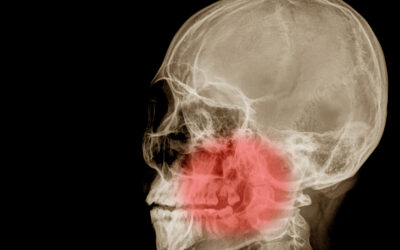
Common symptoms of TMJ and TMD include jaw pain when chewing or opening and closing the jaw, tooth pain, popping and clicking when moving the jaw, difficulty opening the mouth, headaches and ear pain.
Blum cites research which indicates a functional connection between the elements of the skeletal system linking jaw to pelvis via the spine. If parts of the pelvis are out of alignment they can contribute to jaw pain and headaches, and vice versa a misaligned jaw can cause pelvic pain.
The connections are not confined to the jaw – pelvis as further studies indicate that misalignment for example in the feet or an injury in the knee can also affect the jaw and by association the whole of the skull. Likewise correction of misalignment in one area can relieve symptoms in another. Correcting a misaligned bite through dental work can alleviate lower back pain; realigning the pelvis can reduce headaches; orthotic insoles for shoes can solve hip pain.
As a myofascial therapist none of this comes as a surprise to me. Myofascial therapy works with the body as a whole and we first look at the presenting posture in our clients. We look for imbalance because no-one is perfect and the life experiences of our body will have created a posture which is unique to each of us. Imbalance can start from a foot injury, a whiplash or surgical scar, and often imbalance develops in layers over the years.
In many cases the cause of the presenting pain condition is clearly coming from or being influenced by an imbalance elsewhere.
The spine acts like a conduit between the head and pelvis and imbalance at either end can twist and tighten the supporting muscles and fascia around the bones of the spine and result in tension and referred pain. Very typically people who have had major dental work can then develop lower back or hip pain. Likewise people who have tilt or twist in their pelvis can develop headaches or jaw pain.
It is therefore always important to look at the body as a whole and to allow this to guide treatment. For someone who presents with chronic pelvic pain it is always sensible to start by releasing tension in the soft tissues – muscles and fascia – supporting the pelvic bones, but it may also be necessary to move on to upper body treatment to resolve the issue longer term, for example.
As part of my treatments I always also give clients simple self-help myofascial exercises to do at home to continue the releases in their body. And there equally many people who I’ve never met but who get in touch to tell me they have resolved their chronic pain through the exercises I share on my YouTube channel.
As a taster of the exercises, here are a couple that are good for chronic pelvic pain – but you may find your clicky jaw benefits from doing them as well!

0 Comments