
Type 2 diabetes is an increasingly common condition that many people develop in older life. It accounts for over 90% of all diabetes cases in the UK. Although many people successfully manage their diabetes through diet and exercise, there are still some common symptoms that can develop. One in particular is peripheral neuropathy or damage to the peripheral nerves. All nerves in the body originate from your brain or spinal cord, which are collectively known as the central nervous system (CNS). When nerves exit the CNS they are known as peripheral nerves and they travel to all parts of the body as a two-way communication system that collects incoming information and passes it back to the CNS, and delivers outgoing instructions from the CNS to the rest of the body. This system keeps your body safe as it warns of any potential damage and allows the brain to send instructions to avoid this. A simple example is stepping on a sharp stone which causes you to immediately lift your foot away.
In peripheral neuropathy some of these nerves become damaged and stop functioning properly. In diabetes this typically happens in the feet and lower legs. People can experience numbness, pain or tingling in these areas, they may find this affects their balance and their feet can be cold as circulation is also impaired. They may not be able to respond to situations like standing on a sharp stone because the message is no longer passed to the brain. This can create situations where there may be unintentional damage caused to the feet.
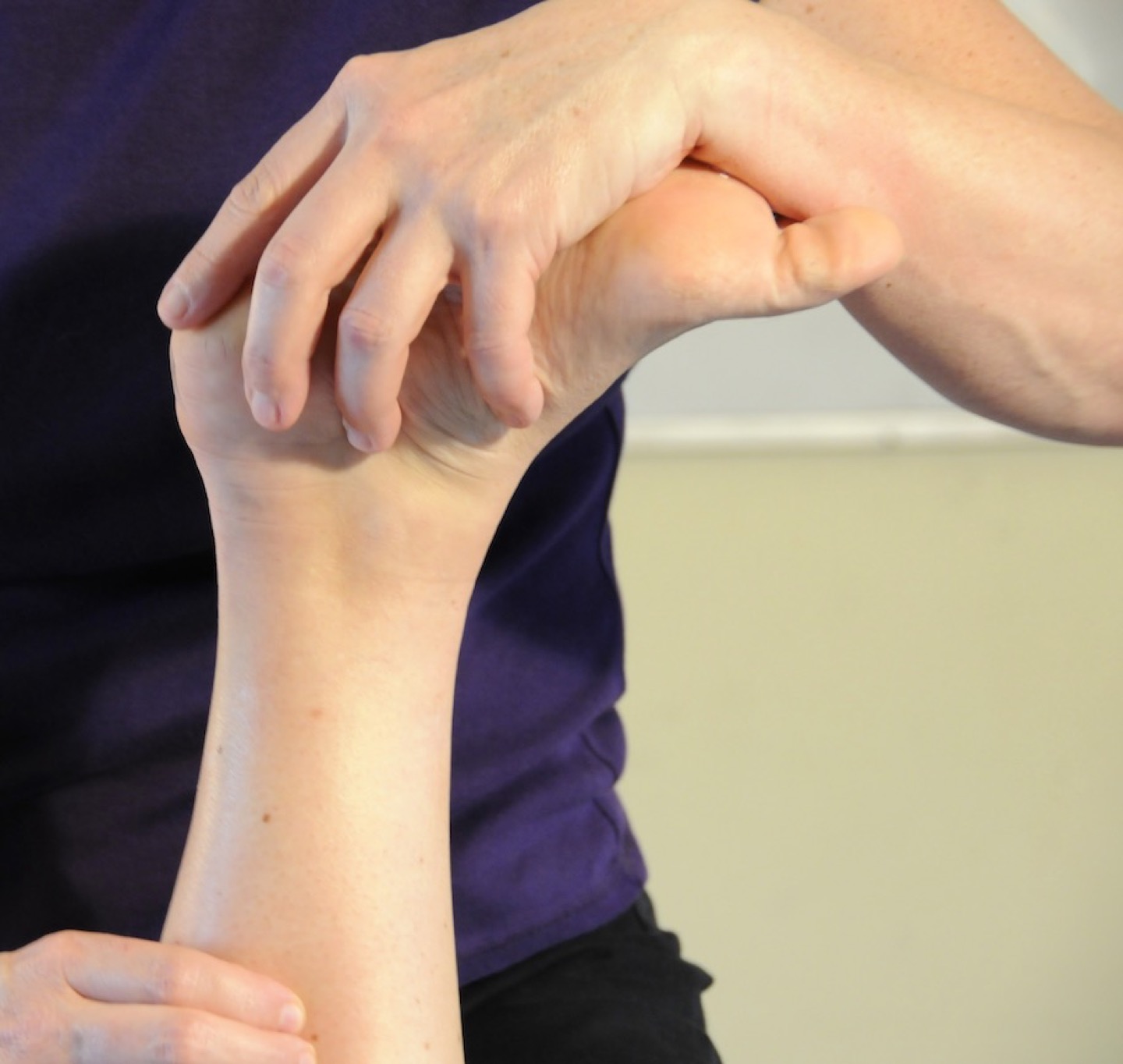
However there is evidence to suggest that massage and hands-on therapies can help to manage diabetes symptoms such as peripheral neuropathy. Regular treatments including the feet and lower limbs can help to stimulate blood circulation and therefore improve the health of blood vessels as well as stimulate nerve sensations and reduce pain and other symptoms. Overall this can lead to improved sensation in the feet, better balance and range of movement.
From a myofascial perspective diabetes clients can also benefit from treatments that release their pelvis. The pelvis is a main centre of movement in the body including the rotational movement of the legs in the hip sockets as we walk and stand. As the hips become more restricted perhaps through lack of movement then not only is movement and balance affected but also circulation to the lower body as the main blood and lymphatic vessels all pass through the pelvis.
Myofascial release of the pelvis, the legs and the feet can help to improve circulation to and from the feet, improve balance and decrease pain and other symptoms.
If you’d like to find out more about how myofascial release can help you if you have any of these type 2 diabetes symptoms why not get in touch:

0 Comments