

Headaches & migraines are common chronic pain conditions affecting 15% of adults. For many their symptoms are temporary but there are equally many other people for whom their headaches are a part of daily life.
Myofascial Trigger Points
One of the common causes of headache & migraine symptoms are myofascial trigger points. Trigger points are a term much bandied about although a lot of people don’t really know what they are or what to do about them.
The official definition of a myofascial trigger point is ‘a hyperirritable spot in skeletal muscle that is associated with a hypersensitive palpable nodule in a taut band’. In plain English this means a knot in your muscles that you can often feel. When it is pressed it typically feels tender. The myofascial element means that these knots form not just of skeletal muscle tissue but also inevitably involve fascial restrictions as fascial tissue weaves in and through muscles at all levels.
Myofascial trigger points have been linked to migraine and tension-type headaches. In particular trigger points in the pericranial muscles that link into the head and scalp can be the main culprits.
Pericranial Muscles
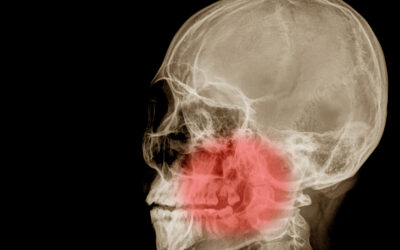
The pericranial muscles are those that support the head and neck. Typically people might think of the neck muscles including the trapezius and sternocleidomastoid which attach into the skull, or the frontalis muscle on the forehead. However equally important are the muscles associated with jaw movement which include the masseter, temporalis and pterygoids.
Trigger points can either be active or latent and their status can change from day to day or hour to hour. A latent trigger point can feel tender when pressed, but an active trigger point very typically refers pain and other symptoms to elsewhere.
Although many people associate trigger points with pain, they can also cause other symptoms such as muscle twitching and movement, changes in muscle strength, loss of balance, dizziness, tinnitus, blurred vision and disturbed sleep.
Active Trigger Points Cause Symptoms
Active myofascial trigger points are prevalent in people who have migraines and even palpating them can trigger a migraine attack. They are also present in people who have tension-type headaches. For both groups of people studies suggest that active trigger points accumulate over time and can cause a sensitisation of the pericranial muscles. This means a higher tendency for trigger points to cause an attack due to underlying tension in the tissues.
Even when not active trigger points can cause general tenderness in the area and a stiffness in the tissues. This may present as restricted movement in the head, neck and jaw, and crepitus – the ‘crunchy’ sensation felt in the neck when moving your head.
The fascia in the head and neck contains a lot of proprioceptors which are the nerve endings that give us our sense of where we are in space. Head and neck proprioception is important to control head position, eye movement and balance. Excess tension in the tissues of the neck can also affect the eyes and ears which can lead to can lead to vertigo and ear pain.
What Causes Trigger Points?
One of the common causes of increased tension in the tissues of the neck and head is desk or device work. Spending hours sitting at a computer means your head is being pulled forwards and the supporting muscles and fascia have to do a lot of work to keep your head stable. Even more so when using a device such as a phone or tablet as it means your head is pulled forward and down further increasing tissue tension.
Myofascial Exercises Can Help
Some simple ways to help yourself if you have migraines or tension-type headaches is first to move. Create regular microbreaks in your day to remind your body that it can move – use these breaks to get up and move around, stretch out your head and neck. Myofascial exercises are an easy way to help release some of the tensions in your muscles and fascia. They don’t take long but done regularly they can help to create new and more mobile habits in your body.
Check out our Fascial Fix for Headaches video for some simple exercises to help:

0 Comments