
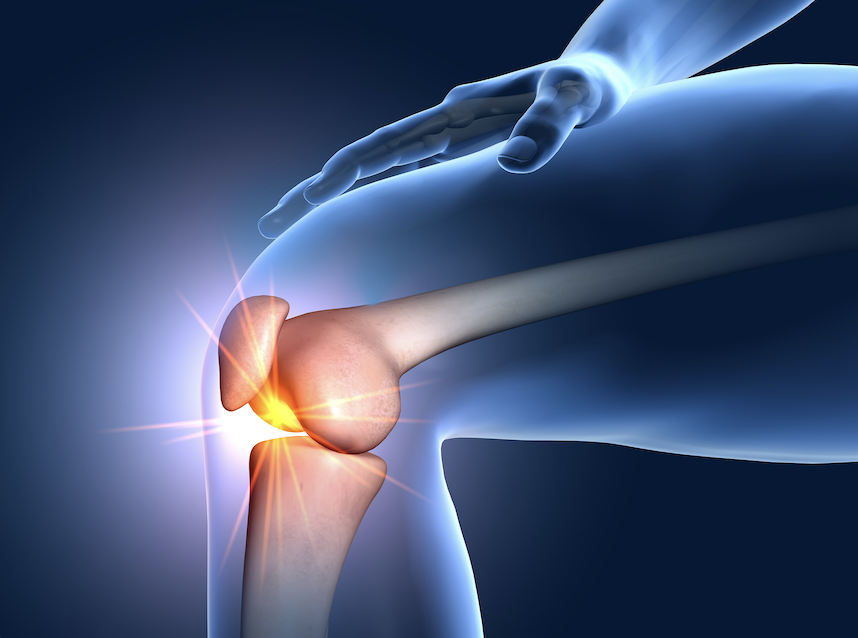
Myofascial release is very effective in helping to reduce the symptoms of many chronic pain conditions, but what if the pain is being caused by a worn out joint or is felt as a result of a surgery such as a joint replacement?
Joint wear & tear is common as we age. Often we have put a lot of strain on our joints through repetitive movements due to work or exercise, sometimes joint strain can be due to lack of movement, poor posture or weight gain.
The joints in our body are formed where two or more bones meet and articulate, ie provide movement. Joints are protected by soft tissue capsules filled with synovial fluid which can be likened to engine oil as it keeps joints moving smoothly. The ends of the bones don’t actually meet other than a smooth gliding of the cartilage coverings over each other.
Over time the various strains we put on our joints can tighten the supporting soft tissues – muscles, fascia, ligaments – reducing the space inside the capsule and pushing the bones together. As the ends of the bones start to rub the cartilage breaks down and becomes roughened, sometimes resulting in ‘bone on bone’ contact. All of these stages of joint degeneration are commonly known as osteoarthritis and pain typically increases to a point where restriction is limited particularly in weight bearing or highly mobile joints such as shoulders, hips and knees. At this point a joint replacement becomes necessary.
For many people joint replacements are a life transforming success and after a recovery period of 6-12 weeks they are back to painfree movement.
However for some people the surgery may be a success but they are left with continued restriction in range of movement and pain. A main cause of these is scar tissue formation as the wound has repaired. Any wound goes through several stages of repair from inflammation, to tissue repair, and then remodelling where the body ‘sorts out’ the tissues so they can return to normal function. Sometimes wounds produce an excess of scar tissue during the repair phase which restricts range of movement and compresses nerve endings. This can delay the remodelling stage as the body still thinks there is a wound and repeatedly tries to repair this, creating more scar tissue, restriction and pain, which is described as chronic after 3 months.
For these people myofascial release can be an effective part of their rehab journey. Starting with gentle treatment in the repair stage, myofascial release can reduce some of the swelling and prevent excess scar formation. Even for chronic cases myofascial release can help to reduce scars and pain and improve range of movement.
In 2017 a study was conducted on patients who reported flexion contracture following a knee replacement, ie they could not fully straighten their leg post surgery. The study tested whether myofascial release could improve knee range of movement (KROM) in these patients. The subjects in the study received hands-on myofascial release on the tissues forming the backline of the lower body from the gluteals, to the hamstrings, calves and plantar feet. The immediate result was improved range of movement and muscle activity and reduced pain. Thus the study demonstrated that myofascial release is a useful resource for rehabilitation following total knee replacement.
There is also a school of thought that myofascial prehab is useful for anyone scheduled for joint replacement. This can help prepare the tissues so they are as healthy as possible for surgery but can also help to reduce pain and improve range of movement in the meantime. In some cases myofascial release has helped prevent surgery altogether.
Both pre and post myofascial rehab include not only hands-on therapy but also self-help exercises that people can do at home. As an example of some helpful exercises, here’s a video to help with symptoms for knees both pre and post joint replacement.

0 Comments