
Introducing your stomatognathic system
You may not have heard of it, but you’ve got one!
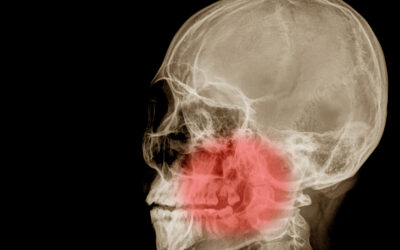
The stomatognathic system includes the mouth, teeth, jaws, muscles and surrounding soft tissues (fascia). The stomatognathic system allows us to perform functions such as talking, chewing and swallowing. The tissues that form this system directly affect the oral (mouth) and craniofascial (head) but also have an effect on many other systems in the body including vision.
The functions of the stomatognathic system are possible because of the close relationship between the nervous and stomatognathic systems. The nervous system innervates all elements of the stomatognathic including the function of the jaw bones and TMJ joints, teeth, dental pulp, muscles and ligaments of the jaw, glands, mouth, tongue and the skin. Changes to nerve function can result in oral symptoms including fascial paralysis such as Bells Palsy, and conversely oral diseases can change how the nervous system works.
When you think of the whole head, jaw, face and neck as one interrelated system it becomes easier to understand how changes to one part of the system can affect other parts. In fact many common chronic pain conditions can develop due to changed function of the stomatognathic system.
Very typical chronic pain conditions such as headaches, neck and upper back pain can be due to such changes. As can TMJ and jaw problems including pain, stiffness, popping and crunching when chewing or talking.
Often these pain conditions are due to changed tension in the soft tissues – the muscles, ligaments and fascia – that surround, support and form part of the stomatognathic system. And these changes can come about through changed postural habits. For example, sitting at a screen or looking at a device regularly changes your posture over time. You start to develop a forward head position as you are literally pulled towards the screen. This means that the muscles, fascia and other tissues that support your head and neck are pulled into tension as they work much harder to keep your head upright and balanced. Over times this tension compresses the bones and joints. Depending on your individual postural changes this can come out as neck pain, back pain or jaw pain, for example. Often symptoms spread further over time and what started as tension on your stomatognathic system refers further through your body to affect your back, hips or even your feet.
In particular from a fascial point of view everything is connected to everything else. Which means that it makes sense to counteract your work posture through exercise and stretching. There are many simple myofascial self-help exercises you can do at home or even at work to help keep your body, including your stomatognathic system, looser and more balanced. In the video below we share a couple of these exercises for you to try.
And if you’re in the Edinburgh area and would like some hands-on help why not get in touch to book a myofascial release appointment at our Edinburgh clinic.

0 Comments