

What is TMJ/TMD?
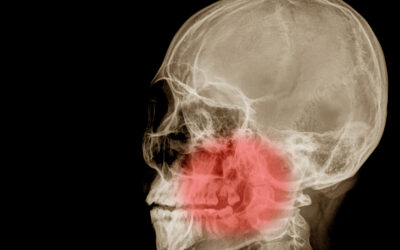
TMJ is a catchall abbreviation for the Temporomandibular joint or the jaw joint. It’s also commonly used to describe any kind of pain and issues affecting the jaw – this is sometimes referred to as Temporomandibular joint dysfunction or TMD.
You know when you have TMJ/TMD as you can feel your jaw is moving differently. You may have pain around your jaw, clicking and popping noises when you move your jaw, difficulty opening your mouth fully or, in worst cases, your jaw locks up.
However some people experience different symptoms which are not always immediately associated with TMJ. These can include tinnitus (ringing in the ears), pain in the ears, neck pain and headaches.
TMJ can be very distressing as it can suddenly limit your ability to eat or even speak without pain. People often say that what makes it worse is that it is ‘so near’. By this they mean that pain in the jaw is in your head and much more difficult to ignore than, say, pain in the foot which is physically farther away from your head and brain.
What causes TMJ/TMD?
As with most chronic pain conditions, even if your symptoms seem to suddenly come on, it’s likely they have been brewing for a while. Maybe you’ve noticed your jaw clicks when you eat chewy foods or when you are stressed, but then this goes away.
From a myofascial point of view symptoms like this don’t actually go away, they may be masked by a subtle alteration in your bite or a shift of your shoulders. This eases the tension but it soon comes back and can build into symptoms that one day just won’t go away.
TMJ can be caused by many different things. For some people it follows extensive dental work where the mouth is held open for prolonged periods. For others it comes on after a stressful emotional event such as a bereavement or illness. For many people the causes are less clear but they can include habitual gum or pen top chewing, nail biting or tooth clenching. In reality, the causes are usually some combination of some or all of the above.
Tooth clenching and grinding (aka bruxism) is a major cause of TMJ issues. People mainly do this at night when asleep and only find out about it when either their partner complains of the noise or their dentist tells them their teeth are worn down.
Traditional treatment
A traditional way of tackling TMJ issues are for your dentist to make a night splint. This protects your teeth from further damage and softens the grinding or clenching. However many of my clients have told me that they habitually chew their way through their splint and have to get a replacement every 3 months or so. In worst cases people can actually crack their teeth from the pressure.
Sometimes people are advised to try medication to relax the jaw or mind therapy such as CBT (cognitive behavioural therapy) to change their tooth clenching habits.
But as TMJ is such a common problem there must be something else going on to cause it and a better way to treat it for the longer term.
Myofascial approach to TMJ/TMD
The myofascial understanding is that the soft tissues supporting the jaw have got stuck and are trying to let go. The main muscle of chewing is called the masseter and there is one on either side of the jaw. For its size the masseter is one of the strongest muscles in the body so when it gets stuck it gets really stuck. You can feel your masseters in action by placing your finger pads on the sides of your cheeks – clench your jaw and you’ll feel a solid vertical line pop up which is the masseter.
Like all muscles the masseter is surrounded by layers of fascia that wrap around and through all of the cells and layers in the muscle and form the connections of muscle to bone. The masseter runs from your cheekbone (maxilla) to your jawbone (mandible).
Fascia is a freely moving tissue full of water which allows your body to move easily and in balance. However if you do too much of one thing repetitively it starts to respond by changing from fluid to restricted and then stuck. The tissue becomes tight and dehydrated and this means that everything it surrounds also becomes restricted in movement and squashed including the muscles and nerve endings.
In the case of the masseter, too much chewing, clenching and/or stress cause the supporting fascia to tighten, which leads to a painful and restricted jaw. A lot of the night-time tooth clenching and grinding is actually your masseter trying to release itself from its overly tight fascial wrappings.
So what can be done to help?
We offer myofascial release appointments at our Edinburgh clinic to help progressively release the restrictions in the masseter and other supporting tissues in the jaw, face, neck and shoulders. This allows the body to return to a more normal pain-free balance. To work effectively on the jaw treatment includes intraoral work, as working inside the mouth accesses the muscles and tissues more directly.
Myofascial release in the jaw area can also help to resolve other pain issues such as ear pain, headaches and neck pain. it also helps to reduce tinnitus as this is a symptom of tight tissues for most people (unless they actually have hearing loss related to their work, for example).
We also recommend self-help myofascial exercises to further release your jaw at home between treatments. Here is a link to some TMJ exercises you can try for yourself:


0 Comments