
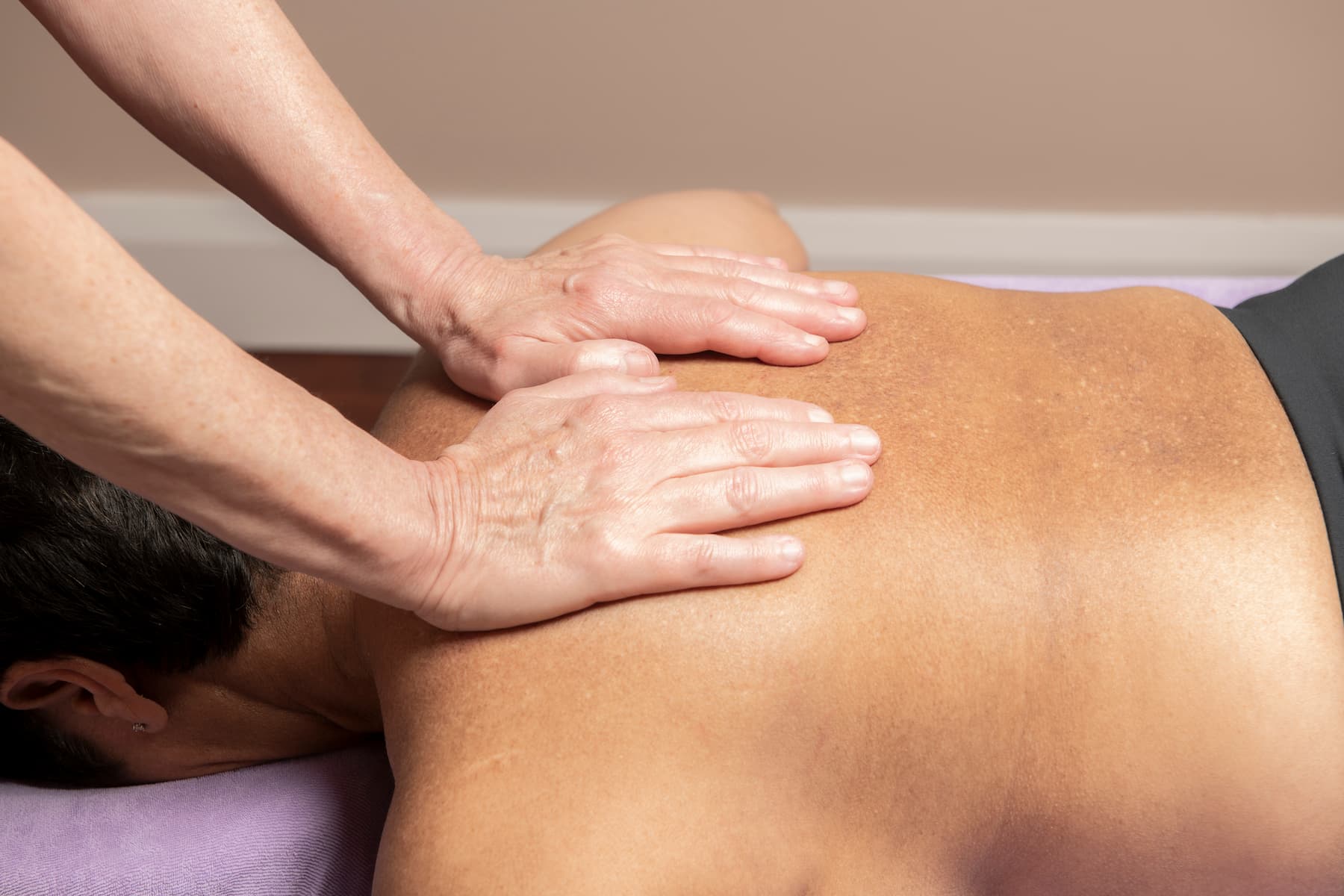
Many of my clients have tried a variety of therapy approaches before they find out about myofascial release before they come to see me. They often tell me that they have had physiotherapy but that the approach is focused less on hands-on techniques and more on hands-off management by way of rehab exercises. Generally they find this approach doesn’t work for their chronic pain which is why they search for alternatives.
Why is it that physiotherapy is moving away from hands-on therapy when many therapists such as myself find that it often works in a more beneficial way that other approaches do not?
The move in physiotherapy to a more hands-off approach is based on the biopsychosocial framework that focuses on lifestyle and psychosocial factors as the essential components of musculoskeletal treatment. In plain English this means that physiotherapy is following the trend to provide pain education and exercise therapy because they are evidence-based treatments, rather than manual or hands-on therapy which is considered to be a less effective passive treatment that lacks scientific evidence.
In my opinion this is a medical based assumption which is somewhat limited as there is much benefit to be gained from hands-on therapy. In a paper published in Muscoloskeletal Science and Practice (Dec 2019) researchers from the University of Genoa argue that hands-on techniques are effective as a specific form of touch that offers three effects, namely analgesic, affective and somatoperceptual.
Analgesic touch can help to reduce pain in the area being touched due to localised sensory changes collected by nerve endings that send messages to affect the brain. This alters and calms the perception of pain.
Affective touch can both communicate and elicit emotions. Caring touch in particular stimulates the production of feel-good chemicals in the body and promotes positive emotions such as feelings of safety and relaxation.
Somatoperceptual touch can help to improve body perception by helping people to literally feel their body, enhancing their sense of body ownership and body control. This is particularly important for people with chronic pain who often disassociate from parts of their body or only perceive pain. Therapeutic touch can enhance realisation that the body is not injured or threatened, and so the brain can lower anxiety, avoidance and defensive responses.
Through hands-on treatment experienced therapists can create a safe therapeutic space where communication goes beyond verbal to encompass and affect the whole mind-body. Hands-on therapy not only meets the client’s expectations but represents a unique tool that can convey beneficial messages to the clients’ brain, produce analgesia, regulate emotions, and reorganise mind-body perceptions.
With more research focus the benefits of hands-on therapy can be evaluated so that it can be incorporated back into mainstream care for pain and not just pushed out to the sidelines.

0 Comments